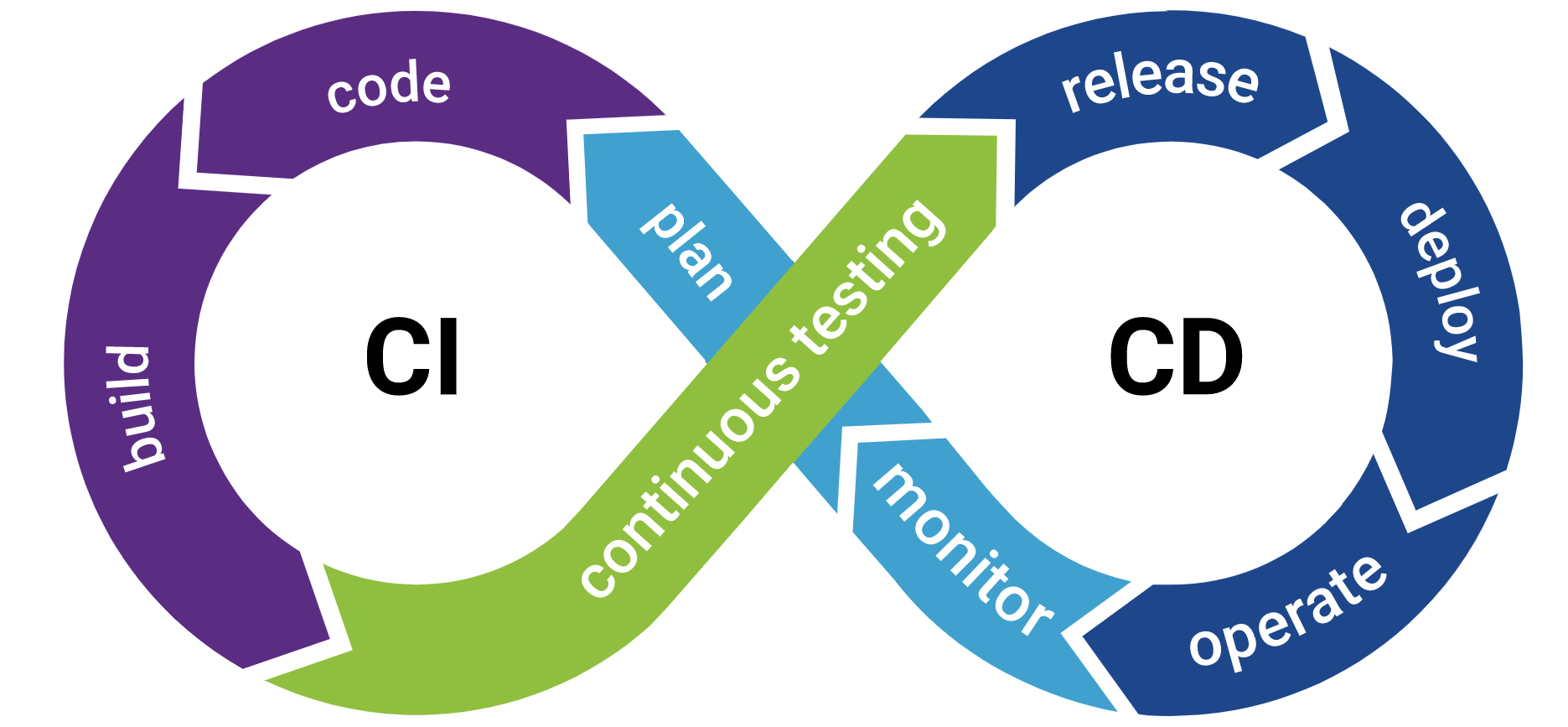
DevOps and continuous integration/delivery (CI/CD) have become crucial aspects of modern software development. They have transformed the way software is developed, tested, and delivered to end-users.
DevOps is a set of practices and culture that emphasizes collaboration and communication between development and operations teams in order to improve the speed, quality, and efficiency of software delivery. The goal of DevOps is to automate and streamline the software development process, from code creation and testing to deployment and maintenance.
Continuous Integration (CI) and Continuous Delivery/Deployment (CD) are key components of the DevOps philosophy. They refer to the practice of automating the software development process, from the initial commit of code changes to the final delivery of the software to the end-user.
Continuous Integration (CI) is the practice of continuously integrating code changes into a central repository, such as a Git repository, and automatically building and testing the code to ensure that it is functional and meets quality standards. This allows developers to quickly identify and resolve any issues that may arise and improve the speed and quality of code delivery.
Continuous Delivery (CD) and Continuous Deployment (CD) are practices that take CI one step further by automatically delivering new code changes to the end-user, without the need for manual intervention. CD focuses on ensuring that the code changes are ready for deployment, while CD automatically deploys code changes to production as soon as they pass all tests and quality checks.
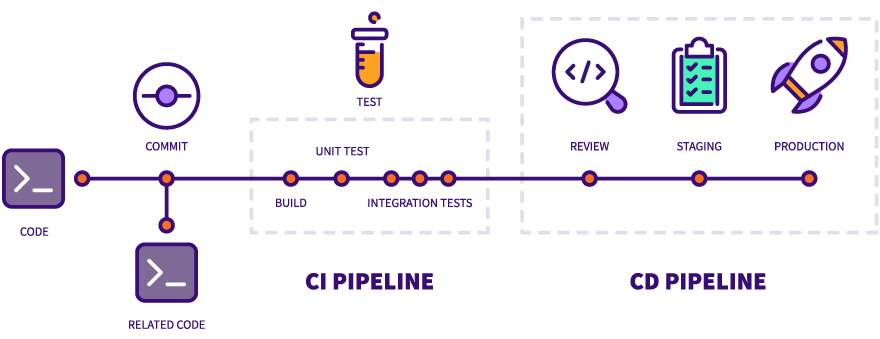
The combination of DevOps and CI/CD helps organizations to increase the speed, quality, and efficiency of software delivery, allowing them to respond quickly to changing market demands and deliver better software experiences to their customers.
Some of the importances of DevOps and CI/CD in software development are:
- Faster Time-to-Market:DevOps and CI/CD allow teams to automate the software development process, enabling them to develop, test, and deploy software faster. This results in a shorter time-to-market, allowing businesses to quickly respond to market demands and stay ahead of their competition.
- Improved Collaboration: DevOps practices promote cross-functional collaboration between development and operations teams, resulting in better communication, increased efficiency, and higher-quality software.
- Increased Reliability:By automating the software development process, DevOps and CI/CD reduce the chances of human error, increasing the reliability of the software. This leads to fewer bugs.
In conclusion, DevOps and Continuous Integration/Delivery (CI/CD) are critical components of modern software development that aim to improve the speed, quality, and efficiency of software delivery. DevOps promotes a culture of collaboration and communication between development and operations teams, while CI/CD automates the software development process, from code creation and testing to deployment and maintenance. The combination of DevOps and CI/CD helps organizations to deliver better software experiences to their customers, respond quickly to changing market demands, and increase the speed, quality, and efficiency of software delivery.